Custom and industrial manufacturing is what happens when a part is not in a catalogue. It might be a worn machine component, a bracket that no longer exists, or a one-off assembly that only your process needs. We reverse-engineer it, draw it, and make it.
The value of custom work is in the questions we ask before cutting. How is the part loaded? What does it bolt to? Is the worn area a wear surface or a failure? Getting those answers right is the difference between a part that fits and a part that lasts.
What is included
- Industrial components — brackets, flanges, mounts and housings
- Machinery parts — replacement components for plant and equipment
- Site metalwork — purpose-made items for the job at hand
- Small batch production — repeat runs of the same component
- Reverse engineering — from worn sample to new part
Specifications
| Processes | Laser cutting · bending · punching · welding · machining coordination |
| Materials | Mild steel · stainless · aluminium |
| Batch size | One-off through to production runs |
| Documentation | Drawings supplied for approval before fabrication |
Typical jobs
- Worn and discontinued machine parts
- Purpose-built jigs and fixtures
- Custom brackets and mounts
- Replacement wear plates
- Prototype components
How we approach it
Reverse-engineered parts start with measurement, not assumption. We record the critical dimensions, check the wear pattern, and produce a drawing for your approval before any steel is cut. On repeat work, the drawing becomes the master for every future run.
Quality checkpoint
A drawing is produced and approved before fabrication on every custom job. That single step removes the most common cause of disputes in custom work — two people remembering a part differently.
Common question
Can you make one of something?
Yes. One-off replacement parts and prototypes are a regular part of the work, and the minimum order is one part — priced fairly for the set-up involved.
From sample to drawing
The core of custom work is turning a worn sample or a rough idea into a drawing both sides agree on. We measure the surviving geometry, read the wear pattern, and produce a drawing that shows the part as it was before it failed — or as it should have been, if the original detail was weak. You approve that drawing, and only then does steel get cut.
- Measurement first, assumptions recorded and agreed.
- Approval drawing issued before fabrication.
- The approved drawing becomes the master for every repeat order.
A question we hear often
Can you improve a part that keeps failing?
Yes. If the wear or cracking points to a weak detail — a sharp corner, a thin section, the wrong material — we will suggest the change and quote both versions. You decide, but you should not pay twice to have the same part fail the same way.
Ready to start a job?
Send a drawing and we will come back with pricing and a lead time.
Common questions
Yes. One-off parts and prototypes are a regular part of the work, and the minimum order is one part — priced fairly for the set-up involved.
From the approved drawing. We measure the sample, produce an approval drawing and quote the fabrication against it. If the part cannot be measured reliably, we agree the assumptions before quoting.
The drawing is prepared for your approval and supplied with the fabricated part. It becomes your master for any future reorder.
Related projects
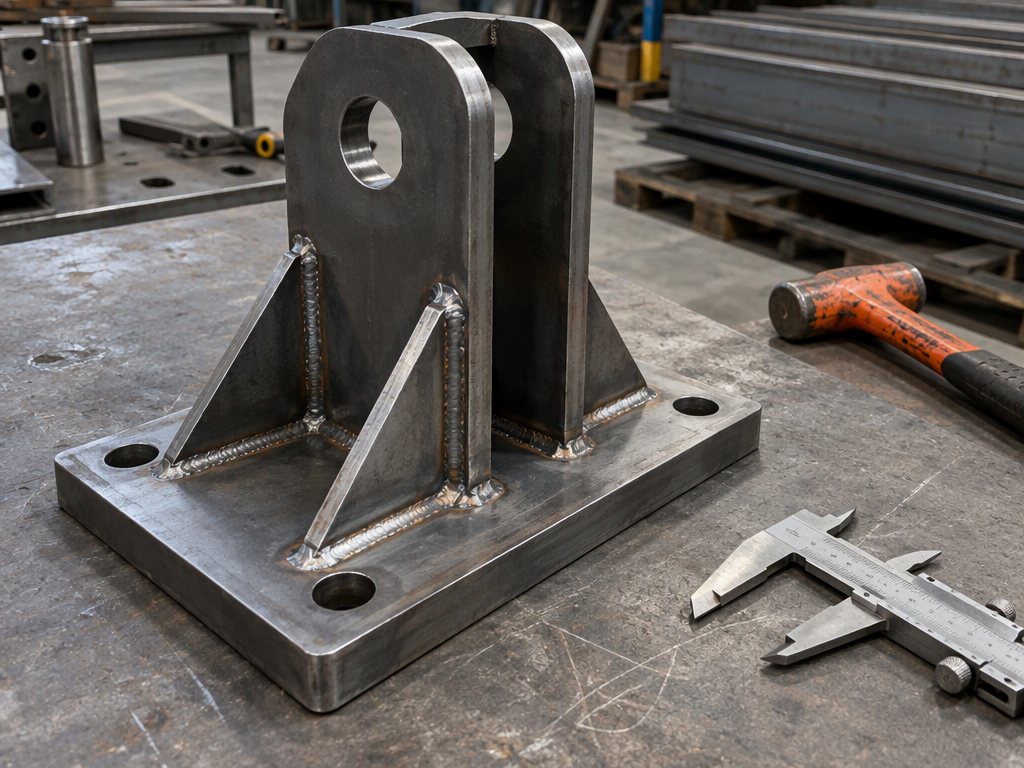
Replacement machine part
A cracked drive bracket reverse-engineered in 316 stainless and back in service in four days.
Read the case study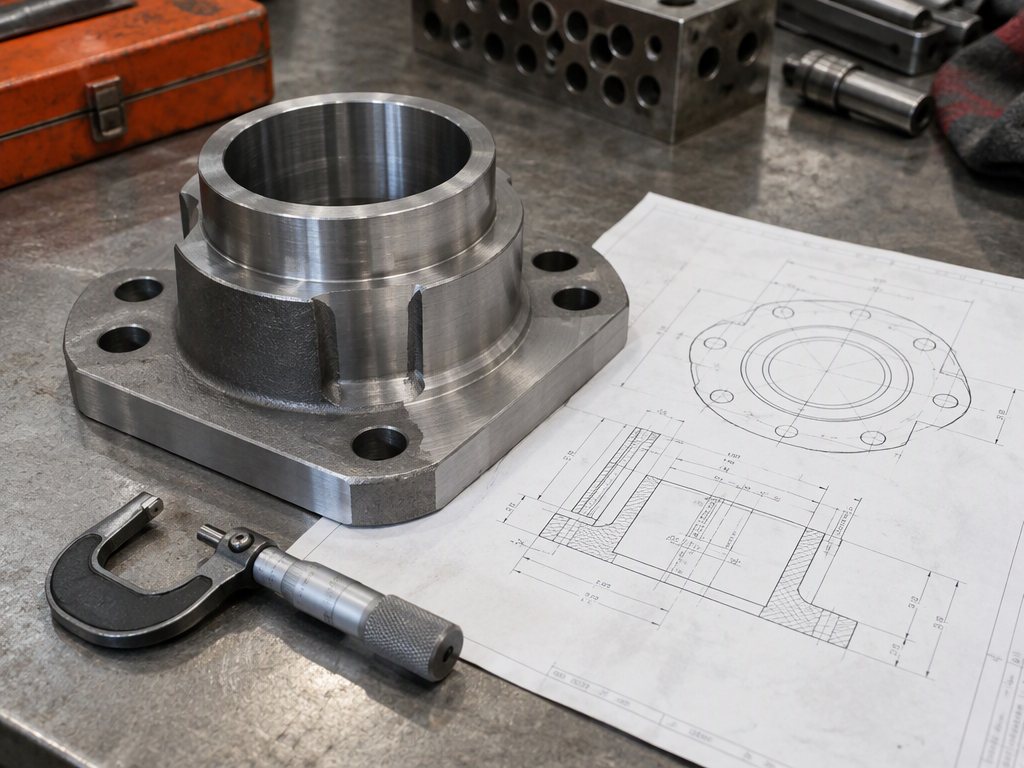
Batch press brackets
A corrected flat pattern that became the customer’s master drawing for future runs.
Read the case studyQuick enquiry
Describe the part or the sample and we will call back the same business day.