Sheet metal processing is the core of the workshop — cutting, punching, folding and welding flat material into parts that fit an assembly, a structure or a machine. We work in stainless steel, carbon steel and aluminium, from a single replacement bracket to repeat production runs.
Because all four processes run in one facility, parts do not move between workshops between operations. Holes are punched or lasered before the sheet is folded, bends are programmed with the correct allowance, and welds are dressed while the part is still easy to handle. The result is a component that arrives square, burr-free and ready to fit.
What is included
- Laser cutting — profiles, holes and cut-outs to ±0.2mm
- CNC bending & folding — programmed bends to 3200mm length
- Turret punching — hole patterns, louvres and forms in one set-up
- MIG & TIG welding — stainless and carbon steel assemblies
- Deburring — burr-free edges as standard on every part
Specifications
| Sheet size | Up to 3000 × 1500mm |
| Mild steel | Cut to 20mm · folded to 10mm |
| Stainless | Cut to 12mm · folded to 6mm |
| Aluminium | Cut to 8mm · folded to 6mm |
| Tolerance | ±0.2mm on cut profiles · ±0.5° on bends |
Typical jobs
- Brackets, plates and flanges
- Machine guards and covers
- Enclosures and panels
- Ducting and flashings
- Custom trays, chutes and hoppers
How we approach it
The drawing determines most of the result. We check the flat pattern against the finished size, confirm bend radii against tooling, and sequence the work so that punching does not distort a part that will later be folded. First-off inspection is standard before any run continues.
Quality checkpoint
First-off parts are measured against the drawing before the balance of the run is produced. If a bend or a hole is out of tolerance, it is corrected at the machine.
Common question
My part needs holes and folds. Do you need a flat pattern from me?
No. Send the finished dimensions and we will develop the flat pattern with the correct bend allowance for the material and thickness. Supplying a flat pattern is fine too — we will still verify it before cutting.
Reading a sheet metal drawing
A good sheet metal drawing shows the finished part, not just the flat profile. That matters because the bend allowance changes with material and thickness — a flange drawn at 50mm on the flat will not measure 50mm after folding. We develop the flat pattern from your finished dimensions and verify it against the first-off part.
- Finished dimensions are quoted, not flat ones.
- Holes are kept clear of bend lines unless the drawing says otherwise.
- Inside and outside dimensions should not be mixed on one drawing.
A question we hear often
Why does my flat pattern not match your cutting file?
Because the allowance differs by material and tooling. Our cutting file is developed for the actual sheet we will fold. The first-off is checked before the run, and a customer flat pattern is verified against our tooling.
Ready to start a job?
Send a drawing and we will come back with pricing and a lead time.
Common questions
Laser-cut profiles are held to ±0.2mm and programmed bends to ±0.5° as standard. Tighter tolerances are possible where the mating part requires them — tell us what the part fits and we will tell you what is practical.
Yes. Send the sketch with overall dimensions and we will develop a cutting and folding drawing for your approval before any material is cut. A photograph with a ruler in the shot works well too.
Yes. Once a first-off is approved, the drawing and program are kept. Repeat orders are cut from the same files, so the part you receive in six months matches the one you approved today.
Related projects
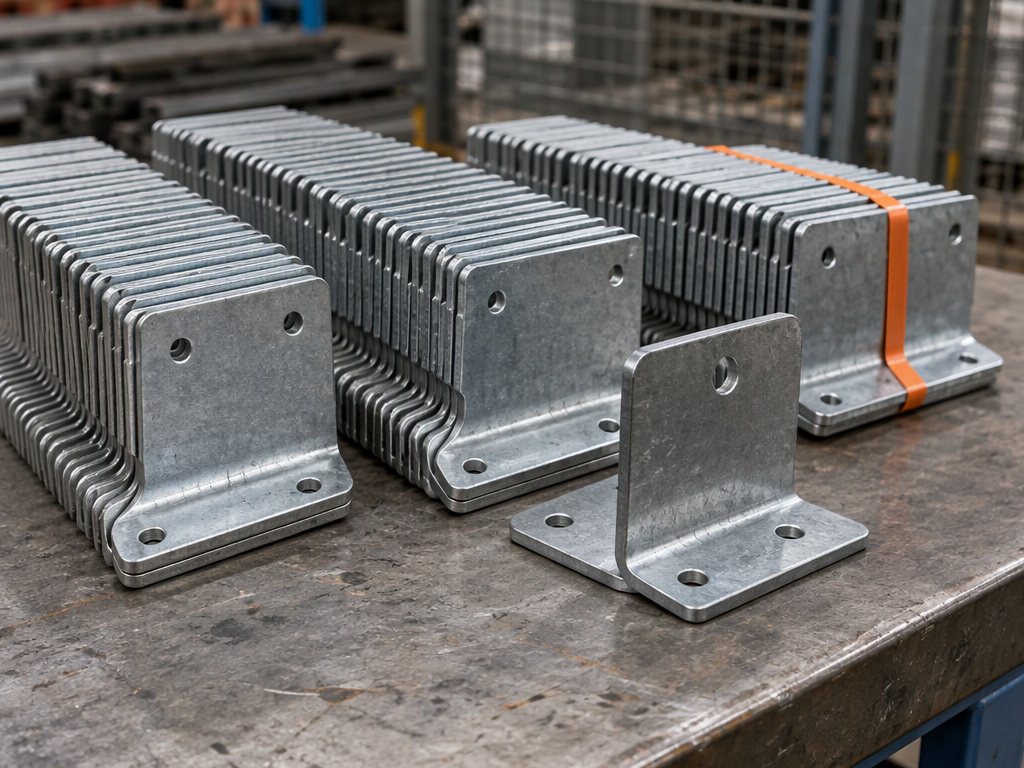
Batch press brackets
1,200 folded brackets held to ±0.2mm so the assembly jig never moved.
Read the case study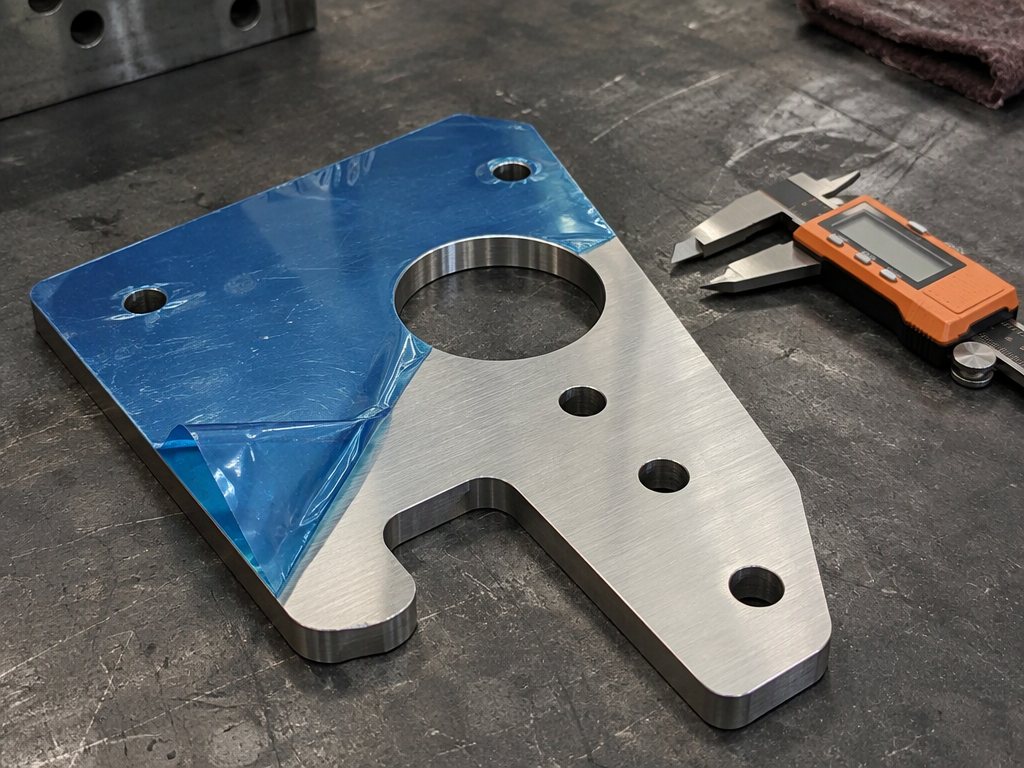
Replacement machine part
A discontinued mixer component reverse-engineered from a worn sample and back in service in four days.
Read the case studyQuick enquiry
Leave your details and a note on the part — we will call back the same business day.